Exposing the Propylene Glycol / Aloe Rid shampoo myth
The Real History of Nexxus Aloe Rid
More than 15 years after Nexxus Aloe Rid
disappeared from the market, most people only know the myths
surrounding it. The product was never designed to help someone pass a
drug test—it was simply a commercial clarifying shampoo and chelation treatment used to remove product buildup before chemical hair services.
The HISTORY of the 2 part product that you never knew of and how it was
used to create the propylene glycol Aloe Rid myth
(And how others are still selling commercial aloe shampoo )
This is a educational informative, historical article / opinion piece.
Protected by Fair Use
What Aloe Rid Actually Was
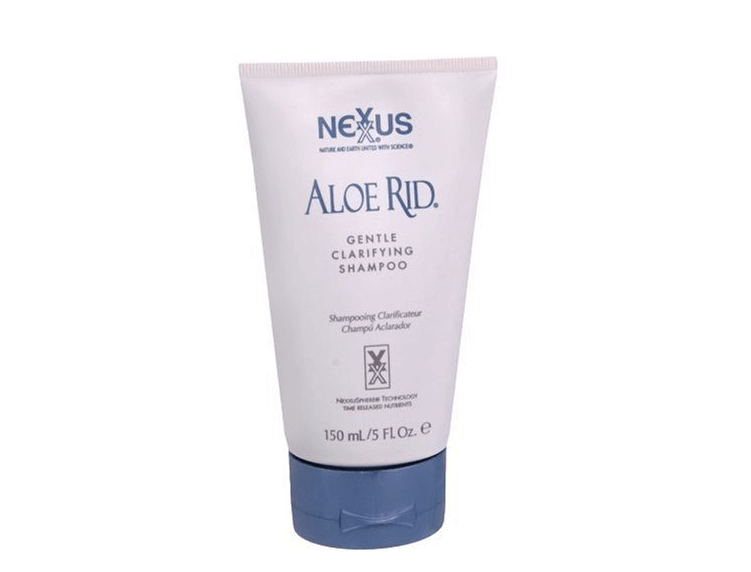
Originally, Aloe Rid was a two-part salon product system sold by Nexxus.
The system included:
1. Clarifying Shampoo
-
Contained about 0.5% EDTA
-
Included Sodium Thiosulfate, often used to remove mineral buildup such as chlorine-related discoloration in swimmers
2. Chelation Treatment Gel
The key ingredient, EDTA, is a chelating agent used to bind minerals, not drug metabolites.
This system was intended to prepare hair for salon chemical services, not detox hair for drug tests.
Just a Normal Commercial Shampoo
Despite the myths that developed later, Aloe Rid was simply a standard salon product.
It was sold in places like salons and beauty retailers, much like other clarifying shampoos. Its formulation was not dramatically different from many commercial products.
Many clarifying shampoos—including basic brands—contain EDTA or similar chelating agents to remove mineral buildup from hair.
There was nothing about Aloe Rid that gave it any special ability to remove drug metabolites.
How Aloe Rid Became a “Drug Detox” Legend
Around the early 2000s, some companies began repackaging Aloe Rid and marketing it as a hair detox solution.
Early sellers promoted the shampoo through drug test forums and websites, claiming it could help people pass hair drug tests.
Companies such as TestClear, which later marketed products like Toxin Rid, helped spread claims that the shampoo contained special detoxifying ingredients.
One of the biggest myths they promoted involved Propylene Glycol, claiming it was the secret ingredient responsible for removing drug metabolites.
In reality, propylene glycol is simply a common wetting agent used in countless cosmetic products.
The “Old Formula” Marketing Story
When Nexxus eventually discontinued Aloe Rid in the mid-2000s, marketers used the opportunity to push a new narrative.
They claimed:
-
Only the “old formula” worked
-
The new formula was ineffective
-
The old bottles supposedly had higher propylene glycol levels
-
Some even claimed special barcodes identified the real product
These stories had no scientific basis but created a powerful marketing tool.
Sellers began charging extremely high prices for remaining stock, sometimes repackaging or reselling bottles at many times the original retail price.
The Truth About the Ingredients
The primary functional ingredient in Aloe Rid was EDTA, a mineral chelator used in many shampoos.
Meanwhile, propylene glycol—often promoted as the “secret detox chemical”—was simply a wetting agent used in thousands of cosmetic products.
It was never the active ingredient, and it has no known ability to remove drug metabolites from hair.
Key Takeaway
The reputation of Aloe Rid as a “hair detox shampoo” was created by marketing and internet myths, not chemistry.
In reality, it was just a standard clarifying salon product designed to remove mineral buildup before hair treatments, not a miracle solution for passing drug tests.
says old style "aloe rid" and "pumped from gallons" with a link to the video mentioned . Remember, this batch of product was measured in gallons, so they claimed they needed to pump it from gallon containers to fill plain bottles. That’s how the phrase “pumped from gallons” originated. They even released a video supposedly showing them pumping Aloe Rid Shampoo from gallon containers — but in reality, the video showed a half-gallon jug of the treatment, not the shampoo. To justify why customers were receiving plain bottles with simple labels instead of the branded Nexxus Aloe Rid
shown on their website, they included a link to that same video on the
bottle. Without such context, the situation could easily be viewed as a bait-and-switch tactic. This is how the now-familiar “pumped from gallons” tagline began and continues to be used today.
a video showing them supposedly pumping aloe rid shampoo from gallons, only it was a half gallon jug of the TREATMENT not the shampoo !!
They
still show photos of the CLARIFYING TREATMENT GEL (not a shampoo) claiming they pump from gallons of a
shampoo that has been out of production for 15 years
but then the gallons ran out around 2009.
Not
to let a small thing like honesty get in the way the con artist started
filling bottles with god knows what, It was not even the same color as
aloe rid and now the brazen con artist put a label on it using the aloe
rid trademark . this is called counterfeiting in most courts.
Next, they came up with another scheme, claiming they had acquired a boatload of the original product — supposedly discovering 55-gallon barrels of the special barcode version. (Do barrels even have barcodes?) Later, they claimed to have obtained 5-gallon containers, which I’ve never actually seen.
Their excuse for this is still posted online, stating: “The
reason for this is that we bought in bulk for our supply. We have large
1- and 5-gallon containers of Nexxus Aloe Rid, which we use to pump 5
ounces of shampoo into our own generic bottles.”
But here’s the twist: Aloe Rid doesn’t come with a guarantee. And what does that mean? It means the Old Style Aloe Rid
— which they say is the only version they carry (notice they never
actually say “Nexxus Aloe Rid”) — is shipped in plain 5-ounce bottles
and isn’t covered by any manufacturer guarantee or refund policy because
it’s no longer produced by Nexxus.
Is it just me, or does this seem deliberately confusing for customers? It feels like a lot of smoke and mirrors to justify selling a 5-ounce bottle of commercial shampoo for over $200.
So what do you call it when a website posts a product image like that?
Show you a video like this
But then sends you this ?.... what would you call that?
Bait and Switch
Some courts have likened initial interest confusion to “bait and
switch” tactics, long condemned as a deceptive advertising practice.
See Dorr-Oliver, Inc. v. Fluid-Quip, Inc., 94 F.3d 376, 382 (7th Cir. 1996). But the classic bait and switch tactic differs somewhat from trademark infringement.
In the classic initial interest confusion case, the defendant adopts a
mark that is similar to plaintiff’s mark. The defendant’s similar
mark is used to attract potential customers. Although eventually the
customers realize with whom they are dealing, the use of the mark to
create an initial attraction to the defendant through the mistaken
belief that the defendant is in fact the plaintiff constitutes trademark
infringement.
certainly doesnt look like color nexxus aloe rid but it did have the Aloe Rid trademark font which some courts would call counterfeiting
trademark infringement
ILL JUST LEAVE THIS HERE FOR YOU TO READ
15 U.S. Code § 1114.
I(1) Any person who shall, without the consent of the registrant—
(a)
use in commerce any reproduction, counterfeit, copy, or colorable imitation of a registered mark in
connection with the sale, offering for sale, distribution, or
advertising of any goods or services on or in connection with which such use is likely to cause confusion, or to cause mistake, or to deceive; or
(b)
reproduce, counterfeit, copy, or colorably imitate a registered mark and apply such reproduction, counterfeit, copy, or colorable imitation to labels, signs, prints, packages, wrappers, receptacles or advertisements intended to be used in commerce upon
or in connection with the sale, offering for sale, distribution, or
advertising of goods or services on or in connection with which such use is likely to cause confusion, or to cause mistake, or to deceive,
shall be liable in a
civil action by the registrant for the remedies hereinafter provided.
Under subsection (b) hereof, the registrant shall not be entitled to
recover profits or damages unless the acts have been committed with
knowledge that such imitation is intended to be used to cause confusion,
or to cause mistake, or to deceive.
Finally sometime in 2018 we noticed they suddenly changed their name and removed
all
aloe rid pictures and the pumped from gallons video
disappeared....anyone want to guess why they would suddenly drop what some may call a
bait n switch trademark infringement counterfeit scheme ?
At
the same time they suddenly changed their name from aloe rid they used a
modified version of a different product name of theirs that matched a
URL we obtained in anticipation of new products. At first I got triggered as i though they were doing me as they did nexxus. I now know they changed label from aloe rid to T**** just weeks before so its seems to be coincidence both using aloe rid key word.
As of Today
The new label no longer displays the trademark-infringing Aloe Rid mark. However, years of marketing confusion have made the name synonymous with the original Nexxus Aloe Rid formula and its well-known propylene glycol myth — a misconception that continues today.
Many people searching for Nexxus Aloe Rid,
unaware of the distinction and misled by claims about propylene
glycol’s supposed ability to remove drugs from hair, could easily end up
buying non-Nexxus Aloe Rid, feeling disappointed or even cheated when they realize the truth. That responsibility lies with the seller spreading the misinformation, not with those exposing it. Legally, this kind of deceptive promotion amounts to contributory negligence.
Even now, the product’s language — phrases like “pumped from gallons” and “old style” — continues the illusion. But old style what? Pumped from gallons of what? Ask them yourself. The new label’s use of “old style” (despite the lack of a “new style”) and “pumped from gallons” suggests it was somehow drawn from gallons of Nexxus Aloe Rid, which could easily be seen as deceptive trade practice
MACUJO WHO USES THE TIRED OLD PROPLYNE GLYCOL MYTH
promoting the special barcode nonsense
AGAIN, Propylene Glycol IS NOT A ACTIVE INGREDIENT,( its also at bottom of list because its very weak ) EDTA is the active ingredient and its in all commercial clarifying shampoos.
Propylene glycol is simply a wetting agent — nothing more. Both EDTA and propylene glycol are found in countless commercial shampoos. There’s no proven difference between these products and something inexpensive like Suave Clarifying Shampoo for five dollars, aside from perhaps twenty-five cents’ worth of extra PG.
And as for propylene glycol being supposedly “special”? You can buy an entire bottle of it from a vape supply store
for just a few bucks. If you really believe in the PG hype, you could
pour some into a large bottle of Suave and end up with the same
clarifying effect — actually fifteen times more of it — for about ten dollars.
The truth is, all these “methods” exist to sell shampoos,
particularly the Aloe Rid and knockoff versions promoted through
so-called detox “methods.” These promotions exist for one purpose: to move shampoo that does nothing on its own.
You’re then told to buy another hundred dollars’ worth of household
items to “help” the process, making the whole thing a far bigger deception than the propylene glycol myth itself — but that’s a story for another article.


